Crime Prevention
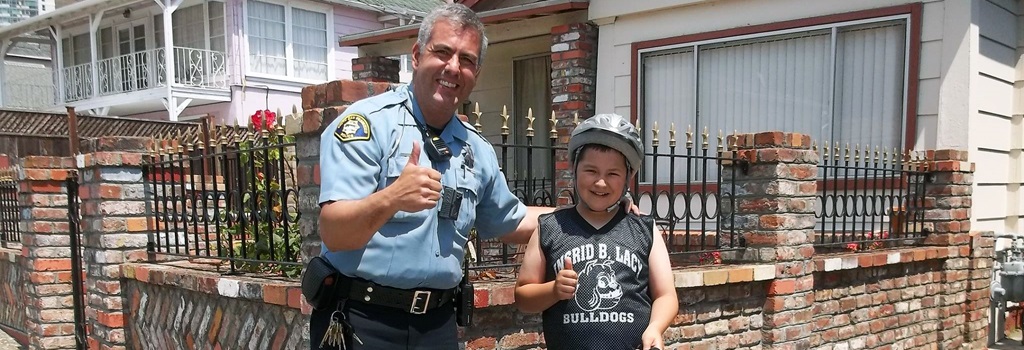
Safety and Crime Prevention Tips
Three factors must be present for a crime to occur: desire, ability and opportunity. You can have a significant impact on the last one – opportunity - and reduce crime by following these simple crime prevention tips. See the information below and to the left on the side navigation bar for more helpful tips.
AT HOME
- Use a door viewer before opening your door. Always demand identification from strangers (even repair or sales persons).
- Always lock up your home before leaving and don't hide your house keys outdoors anywhere.
- Have keys ready and in your hand for immediate use when you return home.
- Use interior and exterior lighting at all times.
- Shred credit card offers and bank statements before you throw them away if you do not plan on using them.
- Hide or destroy boxes from expensive purchases.
- Do not answer personal questions about your home such as type of alarm, daytime occupancy, etc.
- Do not let people inside your home (to use the bathroom, phone, etc.).
- Avoid mail theft by obtaining a locked mailbox and dropping off outgoing mail at the local post office.
- Do not give out your personal information or credit card number over the phone unless you initiated the call.
- Safeguard your home and yourself while you are away.
BUSINES SAFETY / CRIME PREVENTION TIPS
Call 9-1-1 for an emergency.
For non-emergencies or to speak with a Crime Prevention Sergeant, please call (650) 877-8900.
Be Smart / Security
- Never completely cover your store windows. If your windows are too full, people cannot see in, and should an incident arise, pedestrians and responding police officers may not be able to assess the situation.
- Putting your most desirable items in the storefront window might be the best way to get customers into your store, but make sure to take them off display when closed.
- Make sure your doors and windows are secure and avoid leaving doors open for deliveries.
- Keep shelving low to maximize visibility in your store.
- Ensure all employees know the contact numbers for the building owner/manager.
- Ensure all employees know where the emergency contact numbers are located, i.e., your number, police/fire emergency numbers, alarm company. Ensure your security systems and alarms are properly functioning.
- Have a door chime installed to ensure employees are aware when a customer enters the store. Lighting can be an essential part of your exterior safety.
Robbery Prevention
- Most experts agree that, upon being confronted by a robber, you should cooperate with them. Merchandise and cash can always be replaced - people can’t!
- Employees should greet every person who enters the business in a friendly manner. Personal contact can discourage a would-be criminal.
- Instruct employees to report any suspicious activity or person immediately and write down the information for future reference.
- Do not leave cash registers open and unattended.
- Keep only small amounts of cash in the register to reduce possible losses. Use a drop safe into which large bills and excess cash are dropped by employees and cannot be retrieved by them. Post signs alerting would-be robbers of this procedure.
- Make bank deposits often and during business hours. Don’t establish a pattern; take different routes at different times during the day.
Vandalism Prevention
- Clean up vandalism as soon as it happens—replace signs, repair equipment, paint over graffiti. Once the graffiti is gone, use landscape designs (such as prickly shrubs or closely planted hedges), building materials (such as hard-to-mark surfaces), lighting, or fences to discourage vandals.
- If you see someone vandalizing a property, report it to the police. Remember, vandalism is a crime.
CATALYTIC CONVERTER PROTECTION TIPS
The value of the metals used in the manufacturing of the catalytic converters is an appeal to thieves. Catalytic converters contain platinum, rhodium, and palladium. The metals are expensive, and thieves sell the converters to scrap yards for several hundred dollars per piece, depending on the size of the converter and the current rate of the metals inside it. It can cost you, on average, up to $2,000 to replace a catalytic converter, and it is illegal to drive your car without one.
- Install an anti-theft device.
- Weld it to the frame.
- Engrave your VIN on it.
- Set an alarm or camera to catch thieves.
- Park in a well-lit area, your driveway, or a closed garage.
- Regularly move your car.
- Get to know your neighbors.
- Install motion-sensitive lights.
- Install surveillance cameras.
DRIVING
- Always look inside your vehicle before getting in.
- Lock all doors immediately after you are in the vehicle.
- Never pick up hitchhikers.
- If a stranger approaches while you are in a vehicle, keep the windows up, doors locked and engine running.
- Honk your horn if you need to attract attention.
- Park in well-lit areas at night.
- Always lock your car when leaving it.
- Consider installing an auto burglar alarm system.
- Don't leave anything valuable in your car if at all possible.
ELDER FRAUD SAFETY TIPS
STOP TELEPHONE & ONLINE SCAMS
Stop And Think
- Be skeptical of unexpected calls, emails, or messages, even if they seem familiar.
- Don’t be pressured to act immediately; real businesses give you time.
- Trust your instincts. If it feels wrong, it probably is.
Check And Verify
- Don’t click on links or open attachments in suspicious emails/texts.
- Verify identities by calling the company or agency using official contact info.
- Research offers and investments independently.
Protect Your Information
- Never share personal or financial details with unknown callers.
- Use strong passwords and monitor your accounts regularly.
- Shred documents with sensitive information.
Avoid Risky Payments
- Don’t send money via cryptocurrency, wire transfer, payment apps, or gift cards.
- Never deposit a check and send money back to someone.
Common Scams To Watch For
- “Family member in distress” calls
- Prize or lottery claims
- Fake government or tech support calls
- Fraudulent bank employee requests
If You're Scammed
- Contact your bank or credit card company right away.
- Report scams to authorities to help protect others.
Have questions? Call our Non-Emergency/Information/Records: (650) 877-8900
HOLIDAY SAFETY TIPS
- Stay aware of your surroundings, especially when using electronic devices.
- Use ATMs in well-lit, busy areas, or go inside the bank for transactions.
- Avoid posting holiday travel plans on social media.
- Have packages delivered to secure locations or picked up by someone you trust.
- Prevent car break-ins by locking up or hiding valuables when parking.
- Stay alert when parking or returning to your car, and keep your keys ready.
- After placing items in your trunk, move your car to deter potential thieves.
- Be cautious of deals that seem too good to be true - don’t share personal information without verifying the source.
- Research websites before making purchases, and only share information with trusted businesses.
- If you see something suspicious, report it by calling 9-1-1.
PURSE/WALLET PROTECTION
- If possible, don't carry a purse. Never carry anything you can't afford to lose in it.
- Carry your purse across the front of your body, with your forearm across the front of the purse and your elbow held tightly against your side.
- Carry your keys, wallet or other valuables in pockets in your clothes and not in your hand.
- Carry minimum amounts of cash and credit cards. Keep a record of all of your card numbers.
- Check out how to prevent Identity Theft and what to do if you are a victim of it.
WALKING
- Plan your route ahead of time. Never walk alone at night; walk with a friend or your dog.
- Use well-lit streets, not dark alleys or bushy areas.
- Carry signaling devices like shriek alarms or a whistle.
- Carry defensive devices such as pepper spray.
- Be alert to what’s all around you! Look behind you occasionally.
- Never ask for or accept a ride from a stranger.
- Don't carry large sums of money or wear valuable jewelry.
- Don't resist an armed robber. Hand over whatever is demanded quickly and quietly.
- Remember, your life and safety is worth more than any personal property.